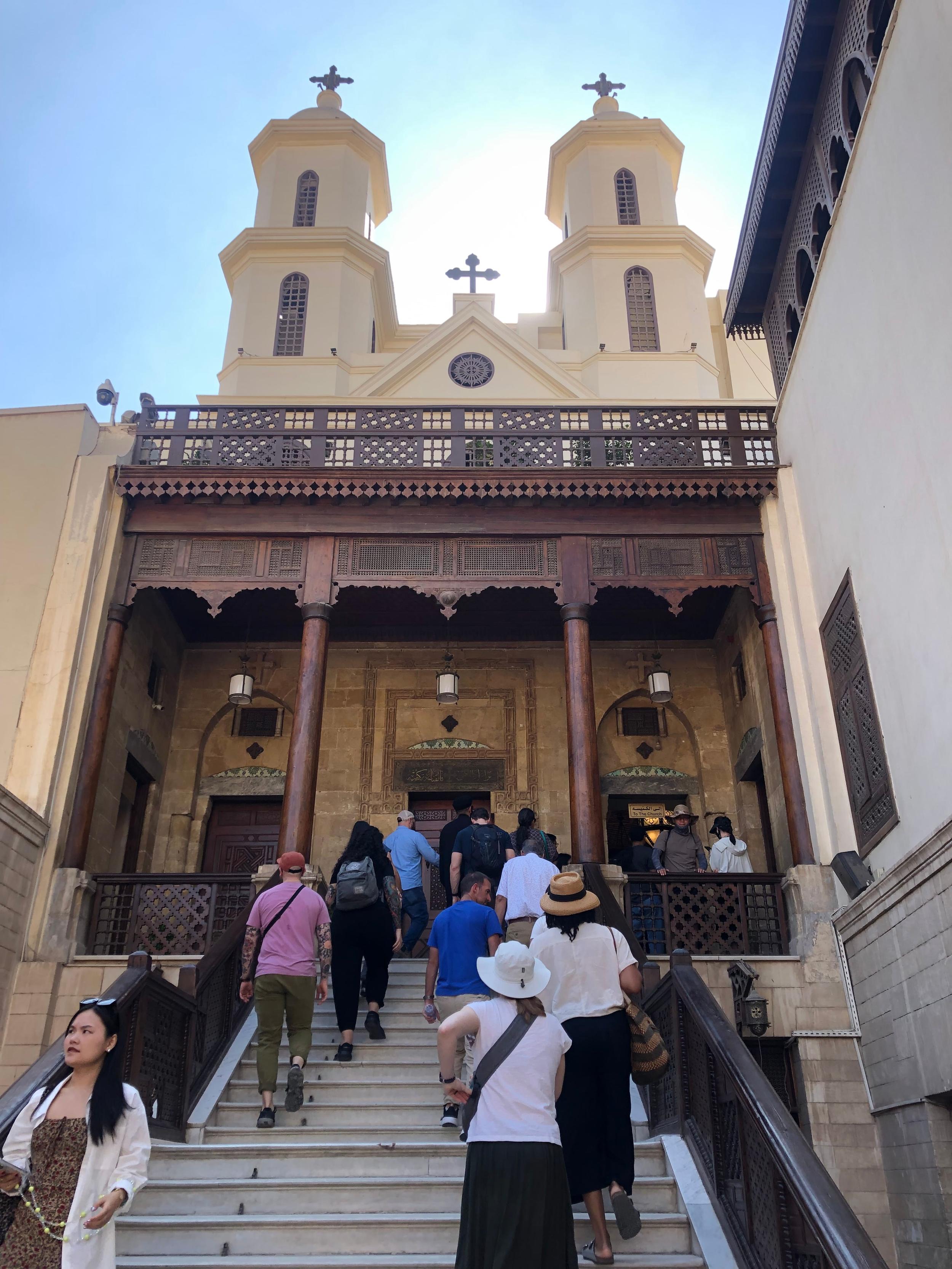
Egypt's Coptic history is a captivating tapestry woven from faith, art, and resilience. As one of the oldest Christian communities in the world, Copts have played a significant role in shaping Egypt's cultural landscape, influencing art, architecture, and traditions that still resonate today. A tour guide specializing in Coptic history can provide invaluable insights into this rich heritage, helping travelers understand the profound impact of Coptic Christianity on Egyptian society. From ancient monasteries to bustling markets adorned with Coptic artifacts, there’s so much to discover.
Planning your journey through Coptic history can be an enriching experience, especially with the right tour guide to navigate the fascinating landmarks and hidden gems. In this blog post, we will highlight essential sites to include in your itinerary, showcasing the stunning churches, monasteries, and museums that tell the story of the Coptic community. We will also offer tips on engaging with Coptic culture, ensuring your travels are not only informative but also deeply rewarding. Join us as we delve into the awe-inspiring world of Coptic history and prepare for an unforgettable adventure through Egypt's spiritual heritage.
Exploring the rich heritage of Coptic history: A tour guide’s perspective
Delving into Coptic history offers an extraordinary journey through Egypt's cultural tapestry. As a tour guide, I encourage visitors to appreciate the influence of this ancient Christian community, which dates back to the early years of Christianity. The Copts, known for their distinctive art, architecture, and traditions, have played a crucial role in shaping Egypt's identity. Walking through the narrow streets of Old Cairo, travelers can witness the legacy of Coptic churches and monasteries, many of which date back to the 4th century. Each structure stands as a testament to the resilience of the Coptic faith amid historical challenges and societal changes.
Understanding the significance of Coptic history enriches the experience for visitors. As a tour guide, I emphasize the unique narratives behind each landmark, such as the Hanging Church or the Coptic Museum. These sites not only showcase stunning artifacts and religious relics but also tell stories of devotion, community, and survival. Engaging with knowledgeable local guides can provide deeper insights into Coptic traditions, festivals, and the impact of Coptic contributions on Egyptian culture. For those curious about history and spirituality, Coptic heritage offers a profound perspective that enhances any travel itinerary through Egypt.
Top Coptic landmarks: Must-visit sites for your tour guide itinerary
When exploring Coptic history in Egypt, several landmarks stand out as essential stops for any tour guide itinerary. The Hanging Church, or Saint Virgin Mary's Coptic Orthodox Church, captivates visitors with its stunning architecture suspended above the ground level in Coptic Cairo. Its intricate woodwork and beautiful icons provide insight into the religious traditions that have thrived in Egypt for centuries. The church dates back to the third century and holds significant importance for the Coptic community, making it a perfect starting point for understanding the roots of Coptic Christianity.
Another must-visit site is the Monastery of Saint Anthony, one of the oldest Christian monasteries in the world. Nestled in the Eastern Desert, this serene retreat offers a glimpse into the lives of early Christian monks who sought solitude and spiritual reflection. Guided tours navigate the lush grounds, ancient cells, and sacred chapels, all while recounting stories of the desert fathers and their profound impact on Christian monasticism. Stopping by this monastery enriches the tour experience, allowing visitors to connect with the deep spiritual heritage of the Coptic Orthodox Church.
Engaging with Coptic culture: Tips for an enriching tour guide experience
To truly immerse yourself in Coptic culture during your visit to Egypt, consider participating in local festivals, religious ceremonies, and community events. These occasions offer a unique opportunity to witness traditional Coptic customs, such as the colorful celebrations during Christmas or the solemn observances of Holy Week. Engaging with local Coptic communities not only enhances your understanding of their faith and practices but also creates personal connections that enhance your travel experience. Be open to interacting with Copts, as they often share fascinating insights about their history, art, and daily life, enriching your perspective as a tour guide.
Another way to engage with Coptic culture is through its vibrant art, music, and cuisine. Don’t miss the chance to visit local ateliers that showcase Coptic iconography, where artisans create stunning religious artworks. Sampling traditional Coptic dishes at local eateries can give you a taste of the community's culinary heritage. Additionally, attending performances of Coptic hymns or church music will deepen your appreciation for their artistic expressions. As a tour guide, sharing these experiences with your group will not only keep them intrigued but also allow them to leave with lasting memories of the Coptic culture’s depth and vibrancy.