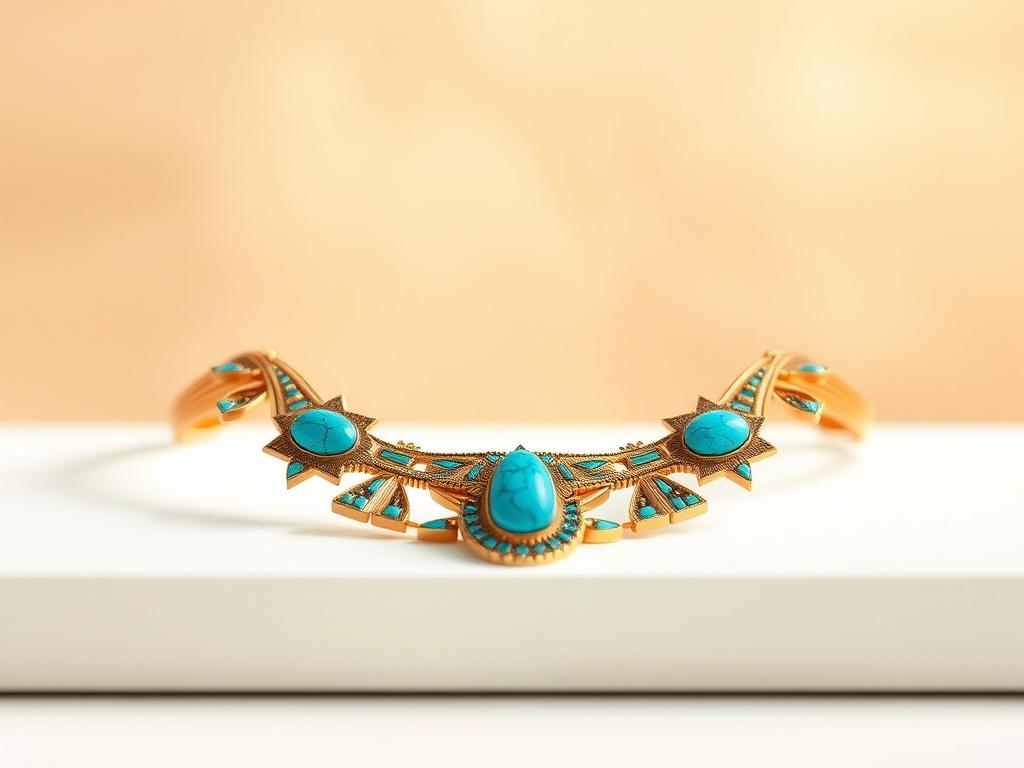
Welcome to our journey through the captivating world of jewelry in ancient Egypt! As you delve into this rich history, our tour guide will help unveil the intricate craftsmanship and symbolic meanings behind these exquisite adornments. Ancient Egyptians wore jewelry not just for beauty but also to signify status, protect against evil spirits, and express their devotion to the gods. From gold necklaces to intricate amulets, each piece tells a story that reflects the culture and beliefs of one of history's most fascinating civilizations.
In this blog post, you’ll discover essential insights and tips from your tour guide on how to appreciate ancient Egyptian jewelry, whether you are exploring a museum or embarking on a cultural tour of Egypt itself. We will highlight iconic pieces and the craftsmanship that set them apart, guiding you through notable treasures that have stood the test of time. Join us as we celebrate the artistry and significance of these jewels that continue to inspire awe and admiration today!
A tour guide through ancient Egyptian jewelry: Uncovering the history and significance
Ancient Egyptian jewelry served as more than mere adornment; it represented social status, religious beliefs, and the craftsmanship of the time. During your journey through the vibrant world of ancient Egypt, you will discover that jewelry was crafted from a variety of materials like gold, silver, and precious stones such as lapis lazuli and turquoise. The Egyptians believed that these materials had spiritual properties, which enhanced the wearer's power and protection. As your tour guide, we will delve into the methods of creation used by skilled artisans, who utilized techniques like filigree, granulation, and inlay, showcasing their mastery in the art of crafting opulent pieces.
The significance of jewelry in ancient Egyptian culture extends beyond its aesthetic appeal. Wealthy individuals wore intricate necklaces, bracelets, and rings adorned with symbols of protection, fertility, and power. For example, the ankh symbol, representing life, frequently appeared in jewelry designs. As you explore the history of these exquisite pieces, you will gain insight into how they were used in burial practices, with many artifacts discovered in tombs designed to accompany the deceased into the afterlife. Jewelry played a vital role in both the living and the deceased's journey through ancient Egyptian society, making it an essential aspect of their cultural identity and religious beliefs. As your tour guide, I will help you appreciate these deeper meanings behind the stunning pieces that have captivated audiences for centuries.
Essential tips from your tour guide: How to appreciate ancient Egyptian jewelry in museums
When visiting a museum showcasing ancient Egyptian jewelry, look beyond the glittering pieces and immerse yourself in their historical context. As your tour guide would highlight, understanding the cultural significance behind each artifact enhances your appreciation. For instance, jewelry served not only as adornment but also as a symbol of social status and power. Often made from gold, ivory, and precious stones, these pieces were intricately crafted and steeped in religious beliefs. Pay attention to symbols like the scarab, representing rebirth, or the ankh, symbolizing eternal life, as they often adorned these beautiful items, enriching their meanings.
As you observe the craftsmanship of ancient Egyptian jewelry, take note of the intricate designs and techniques utilized by skilled artisans. Your tour guide might encourage you to examine the use of color, material, and motifs found in these artifacts. Each piece tells a story, reflecting the artistry and beliefs of its time. Don't hesitate to ask questions during your visit; knowledgeable museum staff can provide valuable insights into the pieces' origins and their roles in daily life or burial practices. By engaging actively with the exhibits, you can transform a simple museum visit into a fascinating journey through ancient Egyptian culture and history.
Explore the treasures: A tour guide's insight into iconic ancient Egyptian jewelry pieces
Ancient Egyptian jewelry pieces captivate visitors with their stunning craftsmanship and rich symbolism. Pieces like the famous scarab amulets, made from precious stones, served both decorative and protective purposes. These amulets, often worn as pendants, represented resurrection and were believed to offer the wearer protection in the afterlife. Your tour guide will highlight artifacts from the tomb of Tutankhamun, where gold jewelry adorned with turquoise and lapis lazuli reveals the opulence and artistry of the period. As you explore these treasures, pay attention to the intricate details and craftsmanship that reflect the skill of ancient artisans.
Additionally, many iconic pieces, such as the stunning broad collar necklace, showcase the significance of jewelry in social and religious contexts. Broad collars served as symbols of status and wealth, often worn by the elite and royalty. Your guide will explain the various materials used, from gold and silver to semi-precious stones, and how these elements contributed to both beauty and symbolic meaning. Engaging with these extraordinary artifacts not only enhances your understanding of ancient Egyptian culture but also deepens your appreciation for the artistry that has endured through the centuries. A deeper exploration of these iconic pieces transforms your museum experience into an unforgettable journey through time.
