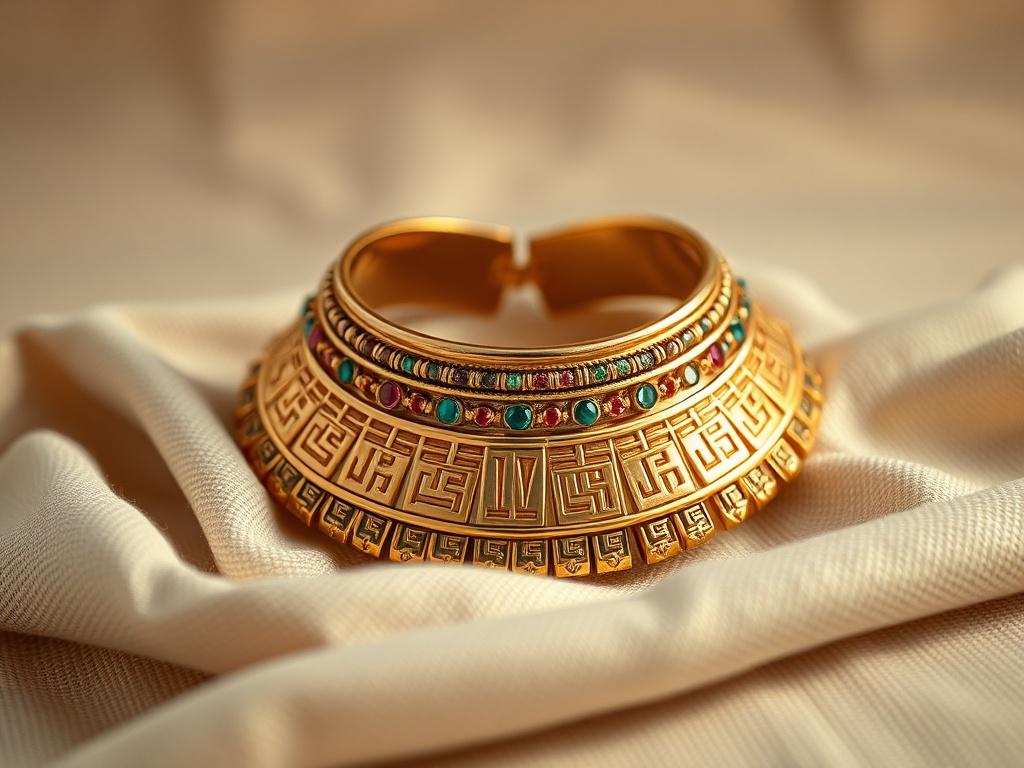
Welcome to our latest blog post, Jewelry in Ancient Egypt, where we take you on a captivating journey through the opulent world of ancient Egyptian adornments. These exquisite pieces of jewelry do more than simply dazzle the eye; they tell stories of power, spirituality, and cultural identity. From lavish gold necklaces to intricately designed rings, each piece reflects the craftsmanship and societal status of its wearer, unveiling layers of historical significance that resonate through time. Our expert tour guide will delve into the rich history behind these adornments, highlighting their connection to ancient Egyptian beliefs and customs.
As we explore the multifaceted legacy of ancient Egyptian jewelry, we also aim to enhance your appreciation for these incredible artifacts when you encounter them in museums. In this post, we'll share essential tips for connecting with the artistry and craftsmanship of these historical treasures. Additionally, we'll spotlight iconic pieces that have captivated collectors and historians alike, enriching your experience during your next visit to an exhibit. Join us as we illuminate the dazzling legacy of ancient Egyptian adornments, guided by expertise that truly brings these treasures to life.
Unveiling the rich history and significance of jewelry in ancient Egypt
Jewelry in ancient Egypt served not only as decoration but also as a powerful symbol of status and belief. From the earliest dynasties, Egyptians adorned themselves with beautiful pieces crafted from gold, silver, and semi-precious stones like lapis lazuli and turquoise. Craftsmanship flourished, and each piece was steeped in meaning, often imbued with religious significance and protective properties. Pharaonic tombs revealed intricate adornments designed to accompany the deceased into the afterlife, highlighting jewelry’s essential role in Egyptian culture and spirituality. Necklaces, bracelets, and amulets often depicted gods and symbols, reflecting the wearer’s devotion and aspirations.
Furthermore, jewelry in ancient Egypt served as a tool for social stratification. Nobility and royals wore elaborate pieces to display their wealth and power, while commoners crafted simpler adornments. The distinction between the two is evident in archaeological findings, where lavish goldwork contrasts with humble materials. Even children wore jewelry, signifying protection and good fortune from a young age. Through the ages, these timeless pieces have continued to captivate, illustrating the connection between art, belief, and the human experience in ancient Egypt, and inviting us to explore their enduring legacy.
Essential tips for appreciating ancient Egyptian jewelry in museums
When visiting a museum that features ancient Egyptian jewelry, take a moment to immerse yourself in the historical context of each piece. Read the accompanying descriptions and labels carefully; they often contain fascinating details about the materials, techniques, and symbolism used by artisans thousands of years ago. Understanding the significance of gold, lapis lazuli, and other materials enhances your appreciation of the craftsmanship behind these stunning artifacts. Instead of quickly passing by, take the time to observe the intricate designs and craftsmanship, which reflect the artistry and skills of ancient jewelers.
Consider utilizing your smartphone to capture images of your favorite pieces, allowing you to revisit your experience later or research specific items in greater depth. Many museums offer interactive apps or audio guides that provide more information about their exhibits. Engaging with these resources can enrich your understanding and create a more memorable visit. Lastly, remember to look for temporary exhibits or special showcases devoted to ancient Egyptian jewelry; these often highlight rare pieces or thematic collections that provide deeper insights into the dazzling world of ancient adornments. By approaching your museum visit with curiosity and a sense of wonder, you’ll forge a stronger connection to the legacy of ancient Egyptian jewelry.
Discovering iconic pieces that embody the legacy of ancient Egyptian adornments
Ancient Egyptian jewelry boasts a plethora of iconic pieces that continue to captivate audiences today. One of the most renowned artifacts is the death mask of Tutankhamun, famously adorned with gold and lapis lazuli. This exquisite mask not only served as an item of burial but also showcased the artistry and wealth of the period. The intricate details and vibrant colors symbolize the connection between the divine and the earthly, emphasizing the belief that jewelry played a crucial role in the afterlife. As you explore these pieces, notice the materials and craftsmanship that convey social status, spirituality, and a deep connection to cultural identity.
Another captivating example is the intricately designed broad collar, often worn by pharaohs and high-ranking officials. These elaborate necklaces functioned as both decorative items and symbols of power. Made from an array of materials, including gold, gemstones, and glass beads, broad collars typically featured designs that represented protective deities and natural elements. When visiting museums, pay close attention to these elements, as they tell stories of ancient beliefs and practices. By understanding the significance of these iconic pieces, you deepen your appreciation for the artistry rooted in ancient Egyptian culture and enhance your experience as you immerse yourself in their vivid history.
