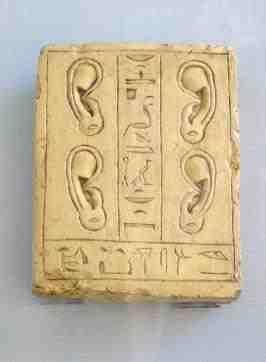
Ancient Egypt is renowned for its grand temples, monumental statues, and complex religious systems, yet beneath the surface of formal rituals and state-sponsored worship lies a deeply personal and spiritual practice that fundamentally transformed individual connections with the divine. One of the most intriguing manifestations of this shift is the phenomenon known as Listening Stelae, or Ear Stelae. These unique artifacts emerged during a time of intense theological change, specifically in response to the Amarna religious revolution, symbolizing a move towards a more accessible relationship between humans and their gods.
Listening Stelae embody the profound religious movement during the Amarna period, when the traditional structure of worship began to evolve. As the priests of Amun sought to restore personal religious experiences amid the radical shifts of the time, these artifacts provided a visual representation of a god who hears and responds to personal prayers, democratizing worship in unprecedented ways. In this blog post, we will delve into the significance of Listening Stelae in ancient Egypt, exploring their historical context, artistic characteristics, and lasting impact on spirituality and everyday life for ordinary Egyptians.
Understanding the significance of Listening Stelae in ancient Egypt
Listening Stelae, also known as Ear Stelae, emerged as powerful symbols of spiritual transformation in ancient Egypt. Crafted from materials like limestone, sandstone, and clay, these artifacts featured prominent ear designs that conveyed a critical message: the divine is attentive and responsive to human prayers. Unlike traditional stelae, which often portrayed gods or formal inscriptions, Listening Stelae focused on the symbolism of hearing. This shift not only marked a departure from institutionalized worship but also emphasized the importance of personal interaction with the divine. By placing these stelae in temples, public spaces, and even private homes, individuals began to cultivate a more intimate relationship with the gods, allowing them to experience spirituality on a personal level.
This transformation in religious expression signified a fundamental change in how ancient Egyptians understood their connection to the divine. The prominence of ears in Listening Stelae highlighted the notion that every individual had a voice, one that could be heard by the gods without the need for intermediaries. During a time when the Amarna period introduced significant theological shifts, Listening Stelae provided a remedy for the spiritual void left by the suppression of traditional deities. They served as a bridge between the divine and the everyday lives of ordinary Egyptians, underscoring the significance of accessible spirituality at a time of widespread religious upheaval. As a result, Listening Stelae not only transformed personal spirituality but also played an integral role in reshaping the religious landscape of ancient Egypt.
The transformation of personal spirituality during the Amarna period
The Amarna Period marked a pivotal moment in ancient Egyptian history, as it witnessed significant shifts in religious practices under the reign of Pharaoh Akhenaten. By introducing the worship of the Aten, Akhenaten sought to establish a form of monotheism that altered not only the religious landscape but also the very fabric of spiritual connection for ordinary Egyptians. This new ideology positioned the pharaoh as the sole intermediary between the divine and the people, effectively sidelining the traditional priesthood and the multitude of gods that had defined Egyptian worship for centuries. As a result, many individuals experienced a profound disconnection from their spiritual roots, leaving them craving a more personal and direct means of engaging with their deities.
In response to this spiritual void, the rise of Listening Stelae emerged as a significant cultural phenomenon. These artifacts embodied a growing desire among the populace to reconnect with the divine in a more meaningful way. The stelae served not only as physical representations of divine attentiveness but also as symbols of a burgeoning movement towards personal spiritual expression. As Egyptians began to embrace these artifacts, they initiated a shift in religious practice that emphasized individual connection over institutionalized worship. The Listening Stelae underscored a desire for an accessible deity—a God who not only listened but also engaged with the everyday struggles and aspirations of ordinary people. This transformation laid the foundation for a more personal approach to worship that would continue to evolve long after the Amarna Period.
Rediscovering divine connection: How Listening Stelae democratized worship in ancient Egypt
The emergence of Listening Stelae marked a revolutionary shift in how ordinary Egyptians approached their spirituality. By placing these unique artifacts in temples, public spaces, and private homes, individuals no longer needed to rely solely on priests for divine communication. Instead, they found empowerment through personal prayer and direct interaction with the gods. This democratization of worship resonated deeply with the Egyptian populace, who sought solace in their ability to connect with a listening deity. The stelae's design, featuring exaggerated or stylized ears, symbolically reinforced this new relationship, reminding worshippers that the divine was attuned to their prayers and concerns.
As individuals embraced this newfound freedom in worship, they created a profound social and psychological impact within their communities. The act of erecting Listening Stelae fostered an environment in which people felt their voices mattered, thus enhancing a sense of belonging and personal agency. Shared beliefs in divine attentiveness contributed to strengthened community ties and provided emotional support during difficult times. This transition to personal spirituality and direct communication with the divine reflected a broader cultural movement, illustrating how ancient Egyptians sought to reclaim their spiritual autonomy during a time of significant ideological change.
