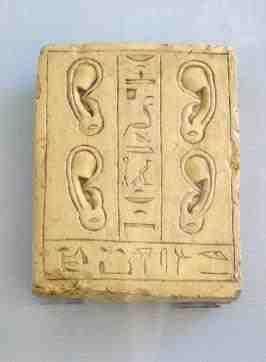
In this blog post, we delve into the profound significance of Listening Stelae in ancient Egypt, exploring their pivotal role during the transformative Amarna period, a time marked by radical changes in personal spirituality. These remarkable artifacts not only served as a bridge for common people to engage with the divine but also reflected a shift toward a more inclusive approach to worship. By examining the concept of divine connection embodied in the Listening Stelae, we unveil how these ancient relics democratized spirituality, empowering individuals to cultivate their own relationships with the gods as traditional hierarchies began to blur.
Ancient Egypt is renowned for its grand temples, monumental statues, and complex religious systems, yet beneath the surface of formal rituals lies a deeply personal and transformative spiritual practice. The Listening Stelae, or Ear Stelae, emerged during a period of intense theological change, signaling a new era in which accessibility to the divine became paramount. In this blog post, we will explore how these unique artifacts played a crucial role in evolving spiritual practices, inviting both the elite and the common people to partake in a personal journey of faith and connection amidst the sweeping changes of the Amarna period. Join us as we unravel this fascinating intersection of art, religion, and social evolution in ancient Egyptian culture.
The transformative role of Listening Stelae in ancient Egyptian spirituality
Listening Stelae, or Ear Stelae, represent a significant evolution in ancient Egyptian spirituality, particularly during the Amarna period. These unique artifacts served as conduits for personal communication with the divine, appearing at a time when religious practices were undergoing radical transformation. Unlike traditional worship that centered on grand temples and priestly intermediaries, these stelae allowed individuals to engage directly with the gods, thus fostering a more intimate and personal relationship with the divine. The inscriptions often depicted the deity in a listening posture, symbolizing their attentiveness to the supplications of the worshippers. This shift marked a profound change in how spirituality was perceived and practiced, emphasizing individual devotion rather than the collective rituals of the past.
As the Amarna period progressed, the significance of Listening Stelae deepened. They not only reflected a cultural shift toward personal spirituality but also embodied the broader socio-religious changes initiated by Akhenaten's radical reforms. By promoting a monotheistic focus on the sun disc, Aten, and encouraging direct access to divinity, Listening Stelae became vital tools for individual empowerment. Worshippers began to view spirituality as a personal journey, enabling them to express their desires, fears, and hopes to the gods without the mediation of formal religious hierarchies. This democratization of worship catalyzed an evolution in ancient Egyptian religious life, as people found new ways to connect with the divine, reinforcing their autonomy and agency within the spiritual realm.
How Listening stelae democratized worship during the Amarna period
Listening Stelae emerged as a powerful symbol of inclusivity during the Amarna period, a time marked by radical religious reforms initiated by Pharaoh Akhenaten. These stelae were not mere inscriptions but rather conduits through which the common people could directly access the divine. Traditionally, worship in ancient Egypt was tightly controlled by priests and the state, maintaining a clear hierarchy that restricted personal engagement with the gods. However, the introduction of Listening Stelae allowed individuals, regardless of their social status, to communicate their concerns and desires directly to deities. By depicting the god’s divine response to the prayers or requests inscribed on these stelae, they fostered a newfound sense of personal connection and intimacy with the divine.
As individuals embraced the idea that they could be heard by the gods, worship transcended the confines of monumental temples and elaborate rituals, encouraging a more personal and direct form of spirituality. Listening Stelae encouraged people to articulate their own needs and experiences, breaking down the barriers that had long kept them out of the spiritual conversation. In doing so, they served as a bridge between the everyday lives of the populace and their yearning for divine intervention, making spirituality more accessible and meaningful. This shift not only democratized worship but also laid the groundwork for a more egalitarian view of religious practice in ancient Egypt, as the common people found their voices in a landscape previously dominated by the elite and the clergy.
Rediscovering divine connection: The personal significance of Listening Stelae in ancient Egypt
Listening Stelae, with their evocative inscriptions and representations, played a crucial role in allowing individuals to foster their own relationship with the divine. Unlike the grandeur of traditional temples that catered primarily to the elite, these stelae were often more accessible to the general populace. Inscribed with prayers, supplications, and the promise of divine response, the stelae invited worshippers to speak directly to the gods, encouraging a personal dialogue that transcended formal religious ceremonies. This intimate exchange not only empowered individuals to articulate their unique spiritual needs but also reinforced the notion that everyone had the potential to connect with divinity on their own terms.
Moreover, the personal significance of Listening Stelae extended beyond mere communication. These artifacts became symbols of reassurance and hope during a period of sociopolitical turmoil and religious upheaval. As individuals sought solace and guidance amid uncertain times, the presence of Listening Stelae offered a tangible reminder of a responsive and caring divine presence. By rediscovering this form of personal spirituality, ancient Egyptians started to break away from rigid dogmas, paving the way toward a more personal, relational approach to faith that emphasized individual experiences and interpretations of the divine. Thus, Listening Stelae marked a pivotal moment in the evolution of spiritual practice, bridging the gap between the individual soul and the vast universe of the gods.
