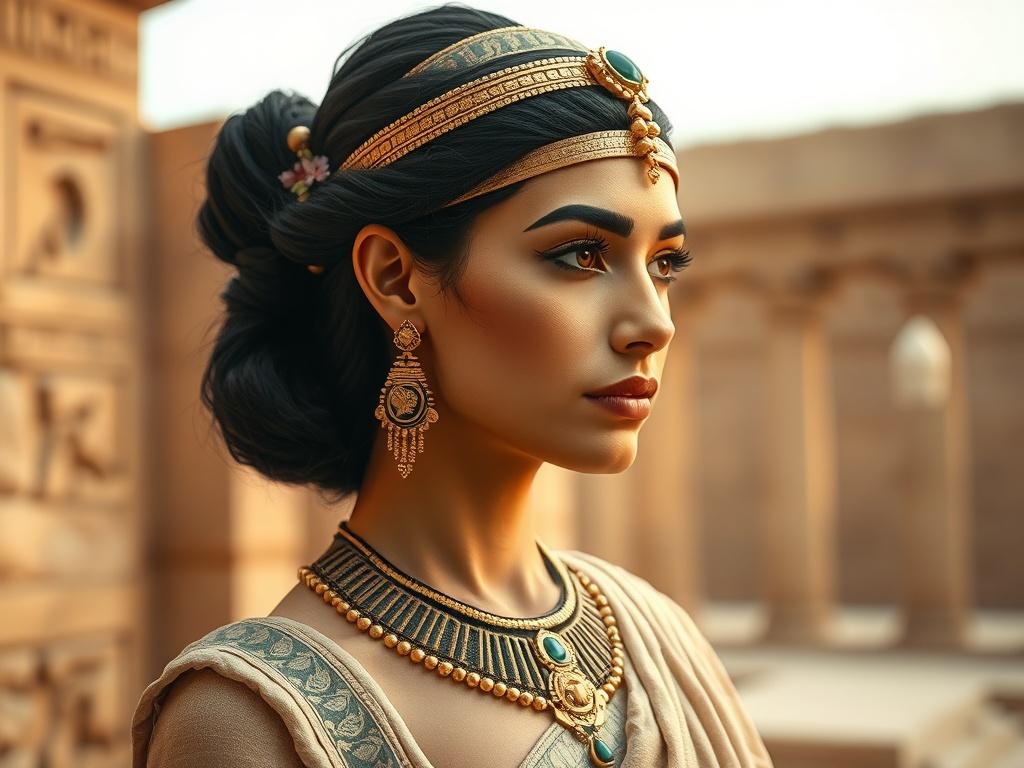
Ancient Egypt fascinates many with its rich history and captivating stories, yet the vital contributions of women in this remarkable civilization often go unrecognized. For tour guides, showcasing the roles and achievements of women in Ancient Egypt provides an enriching layer to the tourist experience. From powerful queens to skilled artisans, women played pivotal roles that enhanced the cultural fabric of their society. Understanding their impact not only adds depth to your narratives but also engages visitors on a personal level, allowing them to connect with Ancient Egyptian life in a more profound way.
This blog post aims to equip tour guides with insights and stories that highlight the significant contributions of women in Ancient Egypt. We'll explore the various roles women held, celebrate notable figures, and offer practical tips for engaging your audience effectively. By bringing these stories to the forefront, tour guides can enhance their tours while honoring the legacy of women who shaped one of history's most influential cultures. Join us as we delve into a captivating journey that reveals the strength, intelligence, and creativity of women in Ancient Egypt.
Understanding the role of women in ancient Egyptian society: A perspective for tour guides
Women in ancient Egypt enjoyed a unique status that set them apart from their counterparts in many other historical cultures. They had legal rights that allowed them to own property, initiate divorce, and manage businesses. This degree of autonomy enabled women to play vital roles in both family and society. For tour guides, understanding these rights helps convey a more nuanced view of ancient Egyptian life. Instead of seeing women solely as ancient matriarchs, guides can illustrate how they balanced domestic life with economic and religious responsibilities, enriching their presentations with depth and relevance.
Moreover, women often participated in religious ceremonies, serving as priestesses in temples dedicated to various deities. Their involvement in religious practices underscores the importance of female figures in society, as they wielded influence not only in their households but also in the broader community. Tour guides should highlight these aspects to create a riveting narrative that captivates their audience. By providing insights into the multifaceted roles women played, guides can foster a deeper appreciation for ancient Egyptian culture and encourage tourists to engage with the history in a meaningful way.
Notable female figures in ancient Egypt: Stories every tour guide should share
Ancient Egypt boasts a rich tapestry of remarkable women who played pivotal roles in shaping its history and culture. One of the most notable figures is Hatshepsut, the first female pharaoh, who ruled with power and ambition. Tour guides can captivate their audiences by recounting Hatshepsut's rise to power, her extensive building projects, and her efforts to establish trade routes that enriched Egypt. Her reign challenges the traditional views of gender roles in ancient societies, providing a fascinating discussion point about women's leadership and influence.
Another captivating figure is Cleopatra VII, the last active ruler of the Ptolemaic Kingdom of Egypt. Known for her intelligence, political acumen, and relationships with powerful Roman figures like Julius Caesar and Mark Antony, Cleopatra’s story is filled with drama and intrigue. Tour guides should highlight her efforts to restore Egypt's power and her strategic cunning in navigating a male-dominated political landscape. Sharing these stories not only informs visitors but also inspires appreciation for the significant contributions women made to ancient Egyptian civilization.
Tips for tour guides: Engaging your audience with women's contributions to ancient Egyptian culture
Engaging your audience is essential for any tour guide, especially when discussing the impactful roles women played in ancient Egyptian culture. Start by incorporating fascinating anecdotes about notable female figures like Hatshepsut and Cleopatra. Use storytelling techniques to bring their experiences to life, emphasizing their contributions to art, politics, and religion. Visual aids, such as images of artifacts and monuments associated with these women, can enhance the narrative and create a more immersive experience for your guests. Encourage questions and discussions after sharing these stories to foster a deeper understanding and appreciation of women's significant roles in shaping ancient Egypt.
Additionally, draw parallels between ancient women's roles and those in contemporary society to create relevance. Highlight how the accomplishments of women like Nefertiti in diplomacy or their involvement in religious practices reflect broader themes of empowerment and leadership today. Use dynamic language and relatable examples to keep your audience engaged. As a tour guide, your ability to weave these narratives seamlessly into your talks will not only enrich the experience for your guests but also celebrate the legacy of women in ancient Egypt, making the history more relatable and vibrant.