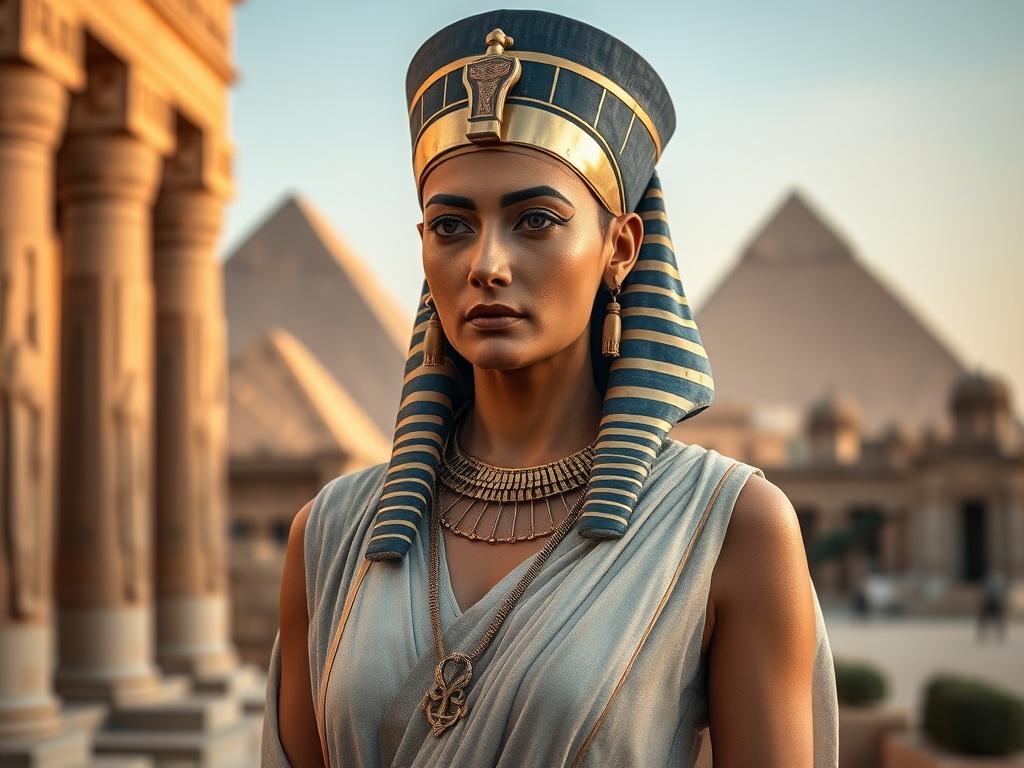
Ancient Egypt, with its towering pyramids and intricate hieroglyphs, captivates the imagination of travelers and history enthusiasts alike. Yet, amid the monumental achievements of this remarkable civilization, the influential roles of women often remain overshadowed. In this blog post, we will explore the fascinating position women held in ancient Egyptian society, highlighting their contributions as queens, leaders, and artisans. Tour guides can enhance their narratives by weaving in the stories of these remarkable figures, showcasing how their legacies continue to shape our understanding of ancient Egypt.
Join us as we delve into the lives of iconic queens like Hatshepsut, Nefertiti, and Cleopatra, whose powerful presence transformed the landscape of their time. We will provide valuable insights and practical tips for engaging your audience while ensuring that the achievements of women are celebrated and recognized. By incorporating these narratives into your tours, you not only enrich the educational experience for visitors but also invite them to connect on a deeper level with the rich tapestry of ancient Egyptian culture.
The influential roles of women in ancient Egyptian society
Women in ancient Egypt held a variety of influential roles that significantly shaped their society. They were not merely confined to domestic responsibilities; many enjoyed remarkable autonomy and were active participants in economic, legal, and social spheres. Women had the right to own property, manage businesses, and even inherit wealth, which was relatively progressive compared to other ancient civilizations. Their involvement in religious practices also marked them as central figures within their communities, as they often served as priestesses and participated in rituals dedicated to the gods, enhancing their public standing.
Moreover, women could ascend to positions of power, influencing governance and policy in ways that shaped the nation’s direction. While men predominantly occupied political roles, some women, such as queens and regents, wielded considerable influence. They served as advisors and intermediaries, bridging the gap between the ruling class and the populace. This unique blend of religious, economic, and political engagement showcases how integral women were to the cultural fabric of ancient Egyptian society, ultimately proving that their contributions were essential to maintaining the civilization's stability and prosperity.
Iconic queens: Hatshepsut, Nefertiti, and Cleopatra's legacies
Hatshepsut, one of the most successful pharaohs, broke gender norms by adopting male regalia and declaring herself king. Her reign marked a time of peace and prosperity, showcasing her exceptional skill in diplomacy and trade. Hatshepsut’s impressive architectural achievements, particularly her mortuary temple at Deir el-Bahari, stand as lasting symbols of her leadership and vision. By emphasizing her accomplishments, tour guides can illustrate how Hatshepsut defied traditional expectations and shaped the narrative of female leadership in Ancient Egypt. This exploration allows audiences to appreciate her significance beyond mere historical mention, highlighting her as a powerful figure who left an indelible mark on Egyptian history.
Nefertiti and Cleopatra further epitomize the influential roles women played in ancient Egyptian society. Nefertiti, renowned for her beauty, served as a powerful queen alongside her husband Akhenaten, whose worship of the sun god Aten brought about religious transformation. Her iconic bust, a symbol of femininity and power, continues to captivate audiences, offering a starting point for discussions about the roles of women in religion and art. Cleopatra, the last active ruler of the Ptolemaic Kingdom, wielded immense political power and intellect, even forming alliances with powerful Roman leaders like Julius Caesar and Mark Antony. By weaving their stories into narratives, tour guides can inspire awe and admiration for these remarkable women, showcasing their impact on the course of history while providing visitors with a deeper understanding of ancient Egyptian society’s complexity.
Engaging your audience: Celebrating the contributions of women in your narratives
To truly captivate your audience, incorporate the compelling stories of women in ancient Egypt into your narratives. Highlight the achievements of formidable queens like Hatshepsut, who not only ruled as pharaoh but also expanded trade networks and commissioned impressive building projects. Share the tale of Nefertiti, whose beauty and influence are legendary, and illustrate how her partnership with Akhenaten transformed religious practices in Egypt. By weaving these figures into your storytelling, you connect modern audiences with the strength and resilience of women who shaped pivotal moments in history.
Additionally, encourage engagement by inviting visitors to reflect on the roles of women in their own cultures, drawing parallels to the experiences of ancient Egyptian women. Use interactive elements, such as asking thought-provoking questions or sharing intriguing anecdotes about lesser-known women who contributed to society as artisans, scribes, and priestesses. This active participation will foster a deeper understanding of the significant contributions women made, ensuring they are celebrated through the rich tapestry of ancient Egyptian culture. By crafting narratives that honor these women's legacies, you provide not just information but an experience that resonates emotionally with your audience, enriching their visit and appreciation of Egypt's history.
